
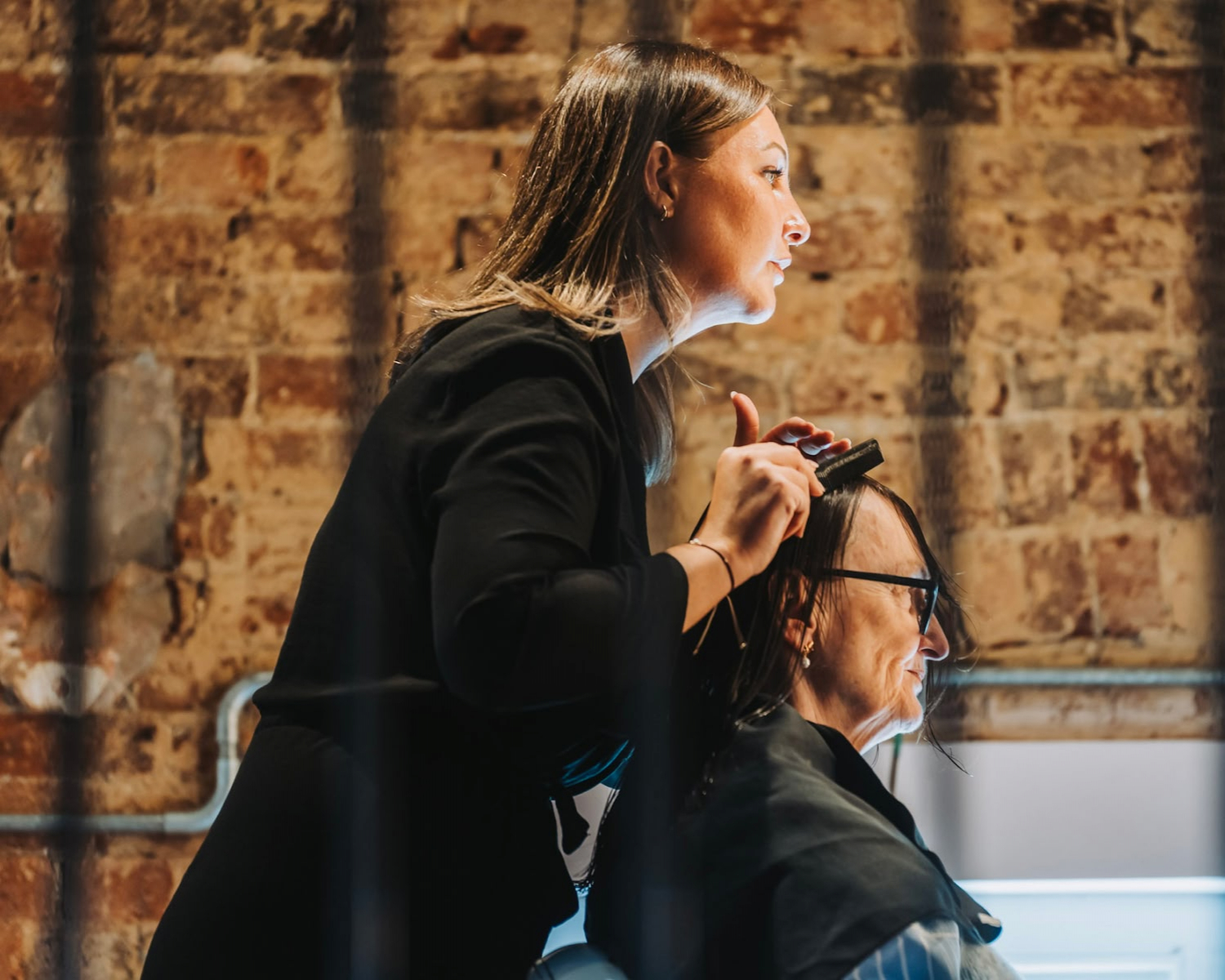
The Science of Hair Health and How to Protect It
Haircare & Beauty Advice
Main Image Credit:
Healthy hair isn’t just about the products we use or how often we visit the salon – it starts from within. Everything from your nutrition and hydration to the amount of sleep you get, the season, and the environment around you all play a part in how your hair behaves. Because hair and skin aren’t classed as “vital organs”, the body naturally redirects its resources away from them when something isn’t quite right, which is why they’re often the first places to show signs of stress or deficiency.
Alongside internal factors, everyday habits such as colouring, bleaching, rough brushing, lack of heat protection, or simply using too much heat can all take a toll. Even small things, like how you towel dry or the way you detangle (always start at the ends!), can make a big difference.
In this blog, we talk about the science behind hair health, explore what truly affects it, and discuss the simple habits that can help you protect your hair every day.
What does healthy hair really mean?
Healthy hair actually begins in the gut. The nutrients you absorb support the follicle before anything else, so when your gut is functioning well, your hair has a better foundation to grow stronger and healthier. For some people, lifestyle factors such as peri-menopause or general dietary patterns can affect the nutrients the body can absorb or process. This is where a nutritionist specialising in hair health can offer guidance tailored to you, helping to strengthen the connection between gut, scalp, and hair.
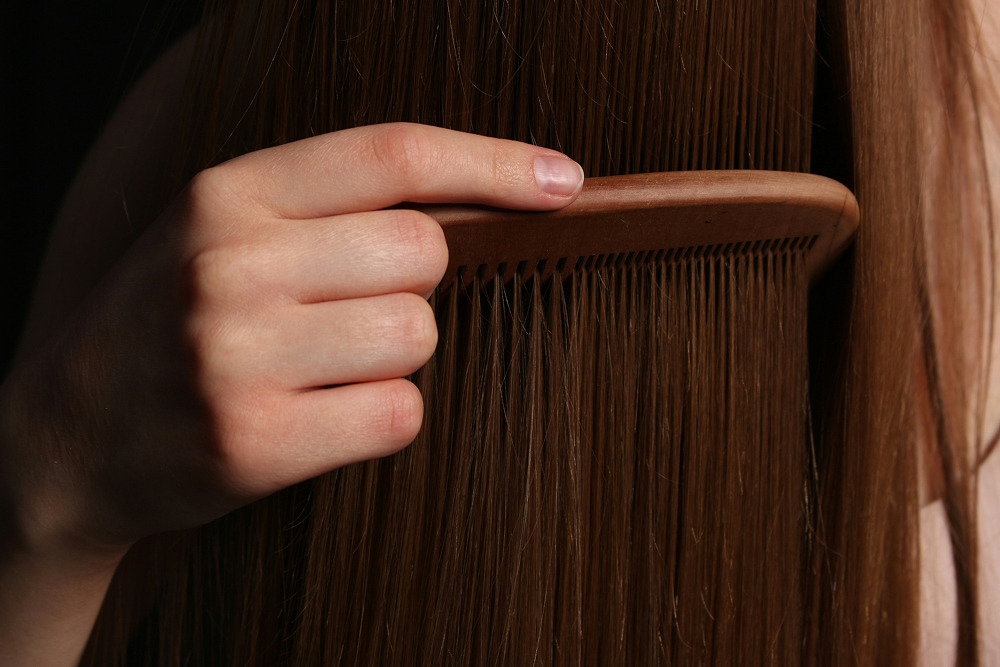
Beneath the hair's surface
At The Chapel, we always encourage open conversations around hair health. The time you spend with your stylist is invaluable, and if something is concerning you, your first conversation should always be with us. Don’t ever feel afraid to ask questions; we’re always here to help.
Our team includes stylists who have a passion for trichology, nutrition and training in hair loss, giving us specialist insight into what might be happening beneath the surface. Often, stylists are the first to notice changes such as hidden alopecia, female pattern baldness or hair thinning patterns which could be linked to thyroid issues.
Your hair’s growth cycle can last up to seven years. This means that long hair will naturally feel different at the ends than it does at the root, simply because those older lengths have been exposed to years of styling, washing and environmental factors. Shorter hair, on the other hand, is young and typically healthier. The goal is to balance the condition from root to tip.
Looking after your scalp plays a vital role in this. A balanced scalp creates the ideal environment for strong, healthy hair growth. Whether your scalp is oily, dry, flaky, sensitive, or affected by psoriasis, there are targeted solutions available.
How much does nutrition really affect your hair?
Nutrition is one of the strongest contributors. Hair needs sufficient protein to grow strong, and when the body is lacking in nutrients, it prioritises essential organs over hair, often resulting in thinning or shedding.
Severe calorie or protein restriction can lead to hair loss, and deficiencies in vitamins such as zinc, iron or vitamin D may also cause changes. If you’re experiencing unusual shedding, it’s worth speaking to your GP for a blood test. Zinc deficiency, for example, can lead to a dry scalp, while thyroid issues can also affect the hair growth cycle.
The shine in your hair reflects the smoothness of your cuticle. Heat styling, rough drying, and lack of protection can cause the cuticle to open and look dull. Products that help close the cuticle enhance shine, like KEUNE’s Radiant Gloss range. Infused with micro algae oil and orchid extract, this high-performing system restores vibrancy, smoothness and a mirror-like shine.
Environmental stress – is your hair feeling it?
Our hair changes with the seasons. UV exposure, the shift from cold outdoor air to central heating, and increased heat styling in winter can all impact hair health. Even the water in your home may affect your hair, especially in older properties with copper pipes. In these cases, shower filters or metal detox products can make a real difference.
For UV protection, targeted hair treatments help shield the cuticle and maintain moisture levels, particularly in the warmer months.
Styling damage – are your habits helping or harming?
Being mindful of your daily routine is essential. While hairdryers generally don’t reach temperatures high enough to cause damage, straighteners, tongs and other hot tools certainly can. Heat protection is non-negotiable.
KEUNE’s Climate Control spray offers heat and humidity protection and can be used on dry hair, perfect for guests who like to restyle on day two without washing. Smart tools like Cloud Nine can also help by automatically adjusting to the ideal temperature for your hair type, reducing unnecessary heat exposure.
The role of the scalp – where healthy hair begins
A healthy scalp is the foundation for healthy hair. During your visit, your stylist can put together a bespoke hair and scalp care routine that suits your needs and your budget. If anything feels different, itchy or uncomfortable, simply ask – we’re always here to support you.
For oily scalps, KEUNE’s Perfect Clarity and Derma Regulate range are fantastic options. The Perfect Clarity Exfoliating Treatment gently lifts away build-up, excess oil, and dead skin cells to revitalise the scalp and improve absorption of other products. Derma Regulate Shampoo resets oily roots without stripping the hair, helping purify the scalp and restore natural balance. It leaves the hair feeling soft, fresh and light, ideal for those who struggle with excess sebum.
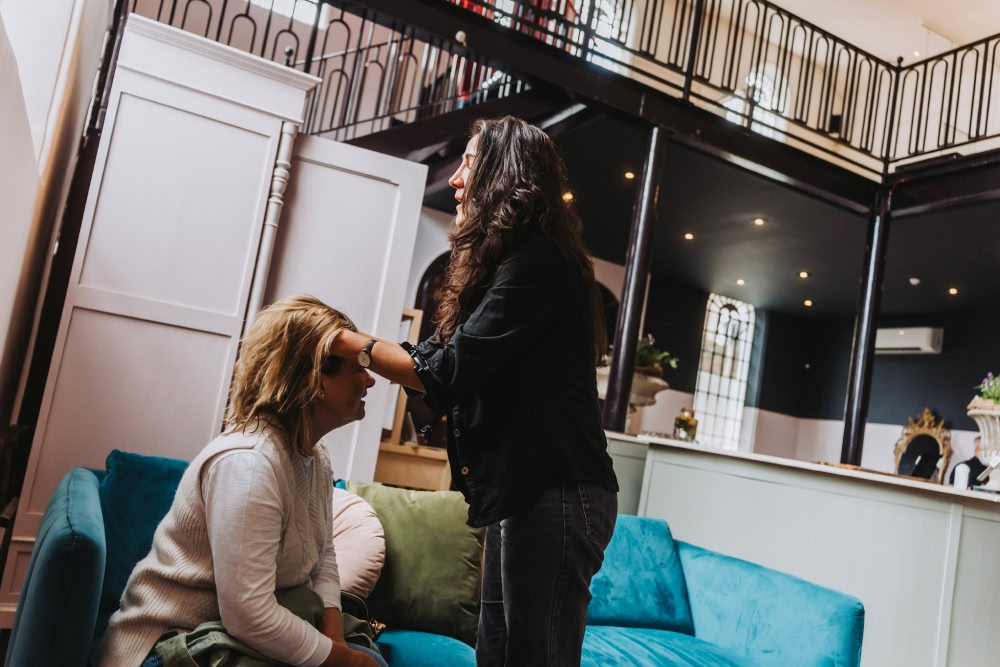
Can salon treatments really make a difference?
Absolutely. At The Chapel, we offer a range of targeted treatments designed to work deeper than conditioner alone. While conditioner works on the outer cuticle and offers cosmetic benefits, treatments penetrate the cortex, strengthening the hair from within, much like an antibiotic works beneath the surface.
Guests are encouraged to share hair concerns when booking so we can prepare the best treatment plan. We always suggest calling us ahead of booking an appointment, so that we can make sure you get the time you need with us. Options for every scalp and hair type are available, plus take-home masks that need just five minutes to cure after washing.
Protecting your hair day to day
The everyday habits matter most:
- Be gentle when towel drying
- Detangle from ends to roots
- Consider a silk pillowcase to reduce friction
- Choose tools that support hair health, such as wide-tooth combs or tangle-reducing brushes
Small adjustments can make a huge difference over time.
The Chapel’s approach to hair health
Empowerment starts with information. If you notice changes in your hair or scalp, your stylist is the best first step. We can help guide you toward resources such as your GP or pharmacist, and if needed, nutritionists or trichologists trained in hair health.
Trichology treatments can support hair growth, but be mindful that products containing minoxidil only work while you continue using them. It’s important to understand the long-term commitment before starting any treatment.
And if you ever feel unsure, just ask. Whether you’re curious about hair loss, peri-menopause, scalp concerns, or changes after medical treatment, we welcome you in for a conversation. Your hair journey is personal, and we’re here to support it every step of the way.
If you’ve noticed changes in your hair or scalp, you don’t have to figure it out alone. Contact your nearest Chapel and one of our stylists will guide you through a personalised, complimentary consultation.

.jpg)